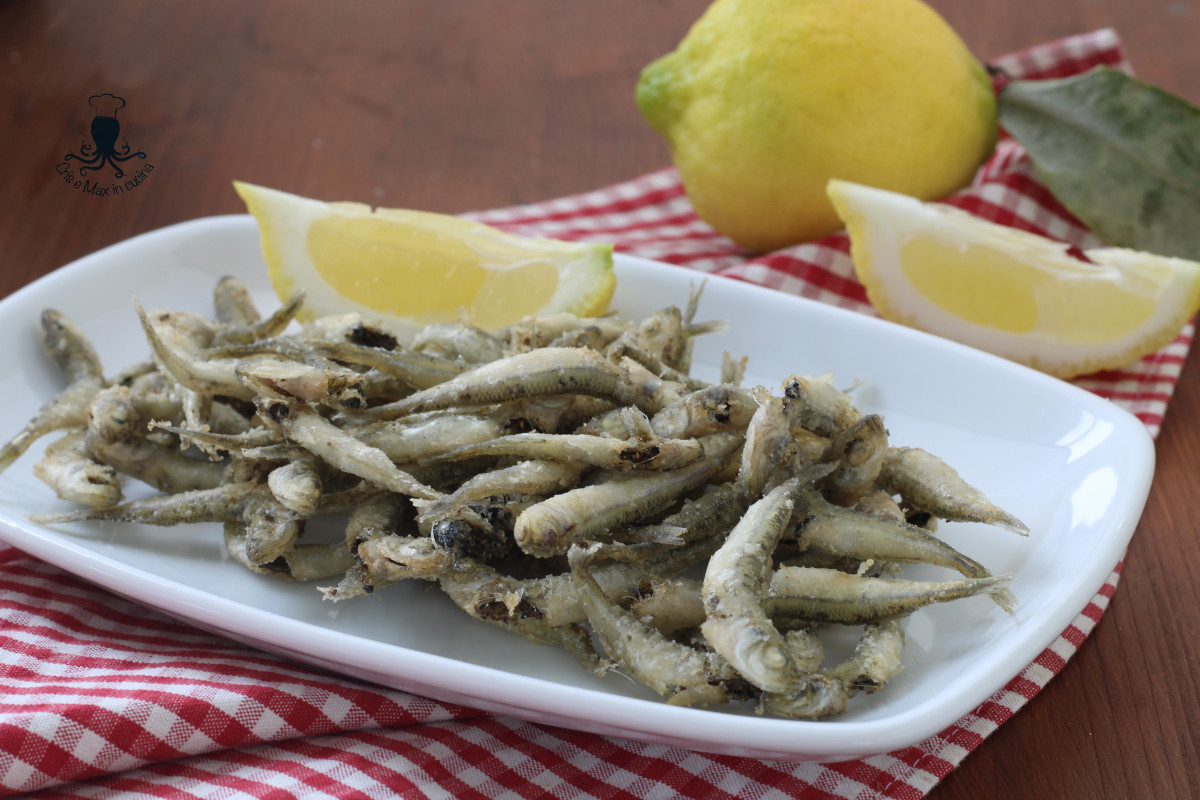
Latterini: The Delicious Fried Fish Behind 'Pesciolini Che Si Friggono'
Step into the vibrant culinary landscape of Italy, and you'll quickly encounter a beloved staple that tantalizes taste buds from coastal trattorias to bustling city markets: fried small fish. But beyond its undeniable deliciousness, this simple dish holds a unique place in Italian culture, even serving as a popular clue in beloved crossword puzzles. The phrase
"Pesciolini Che Si Friggono" – quite literally, "small fish that are fried" – is a familiar definition to many Italian enigmatists, and its universally accepted answer is 'Latterini'.
Latterini are not just any fish; they are a culinary experience, transforming humble aquatic bounty into an irresistible golden-brown delight. These tiny, delicate fish, often resembling smelt or sand smelt, are renowned for their crisp texture and subtly sweet, briny flavour when fried whole. They epitomize the Mediterranean approach to seafood: fresh, simple, and utterly satisfying. Join us as we dive deep into the world of Latterini, exploring its gastronomic appeal, its intriguing connection to Italian word games, and how you can bring this exquisite flavour into your own kitchen.
Latterini: The Culinary Gem of the Mediterranean
In the sun-drenched regions bordering the Mediterranean Sea, from the bustling coasts of Italy to the charming islands of Greece and beyond, Latterini hold a cherished spot on menus and in homes. These diminutive fish are celebrated for their unparalleled suitability for frying, a preparation that truly unlocks their delicate essence. Typically no more than a few inches long, Latterini are fried whole, heads and tails intact, achieving a glorious crispness that's both addictive and satisfying.
The appeal lies in their simplicity. There's no complex butchery or intricate sauces required. A light dusting of seasoned flour or semolina, a quick dip in hot oil, and a sprinkle of salt are all it takes to transform these silvery morsels into golden-brown perfection. Served piping hot, often with nothing more than a fresh lemon wedge to squeeze over them, Latterini make for an exquisite *antipasto* (starter) or a delightful *aperitivo* snack. Their delicate texture and mild, slightly briny taste make them a fantastic introduction to seafood for many, and a nostalgic favourite for seasoned palates.
Imagine a warm evening by the sea, a chilled glass of crisp white wine, and a platter piled high with glistening, perfectly fried Latterini. Each bite offers a satisfying crunch, followed by the tender, flavourful flesh within. They are more than just food; they are an embodiment of the relaxed, convivial spirit of Mediterranean dining – a dish meant for sharing, conversation, and pure enjoyment.
Beyond the Frying Pan: The Enigmatic Appeal of "Pesciolini Che Si Friggono" in Italian Crosswords
For many Italians, the phrase
"Pesciolini Che Si Friggono" isn't just a description of a delicious dish; it's a familiar challenge found within the grids of their favourite crossword puzzles. This nine-letter definition has become a recurrent fixture in the world of *enigmistica*, a testament to the cultural prevalence and recognisability of Latterini. It frequently appears in renowned publications like *La Settimana Enigmistica*, *Enigmistica Più*, and various digital puzzle platforms.
The beauty of this particular clue lies in its directness and precision. "Small fish that are fried" perfectly encapsulates the essence of Latterini, making it a logical and satisfying answer for puzzle solvers. Puzzlemakers, often seasoned experts like Anna Gallo, carefully verify such definitions and their corresponding solutions to ensure accuracy and consistency across different schemes. This meticulous process ensures that when you encounter "Pesciolini Che Si Friggono" in your crossword, you can confidently write down 'Latterini' knowing it's the correct fit, aligning seamlessly with intersecting words.
For enthusiasts of Italian crosswords, having this specific solution in their mental toolkit is invaluable. It reduces trial and error, optimizes puzzling time, and provides that gratifying sense of accomplishment when a difficult section of the grid suddenly clicks into place. It’s a delightful intersection of culinary heritage and intellectual pastime, where a beloved food item becomes a key to unlocking a linguistic puzzle. For a deeper dive into decoding this popular Italian crossword clue, you might find our article
Pesciolini Che Si Friggono: Unveiling the Cruciverba Answer particularly helpful.
Preparing Latterini at Home: Tips for Perfect Fried Fish
Bringing the delightful taste of Latterini to your home kitchen is simpler than you might imagine. With a few key techniques, you can recreate that irresistible crunch and delicate flavour that makes this dish so popular.
Choosing Your Latterini
The foundation of any great fish dish is freshness. When selecting Latterini (or similar small frying fish like whitebait or anchovies), look for:
- Clear, bright eyes: A sign of recent catch.
- Firm flesh: The fish should spring back when gently pressed.
- Mild, fresh sea smell: Avoid any strong or "fishy" odours.
- Shiny, iridescent scales: Indicating good quality.
Purchase from a reputable fishmonger or a market known for its fresh seafood.
Simple Frying Technique for Crispy Perfection
- Preparation: Rinse the Latterini thoroughly under cold water. Unlike larger fish, Latterini are typically fried whole, so no gutting is necessary. Pat them *very* dry with paper towels. Excess moisture is the enemy of crispiness!
- Flouring: In a shallow dish or a paper bag, combine all-purpose flour or fine semolina with a pinch of salt and freshly ground black pepper. For extra flavour, consider adding a dash of paprika or garlic powder. Add the dried fish in small batches and gently toss to ensure an even, light coating. Shake off any excess flour using a fine-mesh sieve.
- Oil Selection and Temperature: Choose an oil with a high smoke point, such as sunflower, peanut, or vegetable oil. Pour enough oil into a heavy-bottomed pan or deep skillet to cover the fish, about 1-2 inches deep. Heat the oil to around 175-180°C (350-360°F). A good test is to drop a tiny pinch of flour; it should sizzle immediately.
- Frying: Carefully add the floured fish to the hot oil in small batches. Do not overcrowd the pan, as this will lower the oil temperature and lead to soggy fish. Fry for 2-4 minutes, turning once, until golden brown and beautifully crispy.
- Draining and Seasoning: Remove the fish with a slotted spoon and immediately transfer them to a plate lined with paper towels to drain excess oil. While still hot, sprinkle with a little more sea salt.
Serving Suggestions
The classic accompaniment for fried Latterini is a generous squeeze of fresh lemon juice, which cuts through the richness of the frying and brightens the flavour. Beyond that, consider:
- A simple green salad with a light vinaigrette.
- Homemade aioli or tartar sauce for dipping.
- A sprinkle of fresh chopped parsley or a pinch of chili flakes for a touch of heat.
- Pair with a crisp, dry white wine like a Vermentino, Pinot Grigio, or a chilled lager.
Exploring Other Preparations: Beyond Simple Frying
While the direct translation of
"Pesciolini Che Si Friggono" points to Latterini's primary preparation, these versatile small fish are also delicious when prepared in other traditional Italian ways. One notable example is "Pesciolini in Carpione," a fantastic *antipasto* that showcases a different facet of their flavour profile.
The *carpione* method involves frying the fish, as we've discussed, but then marinating them in a tangy, aromatic vinegar mixture infused with sautéed onions, garlic, herbs like bay leaf and rosemary, and sometimes even spices like peppercorns. This slow marination process tenderizes the fish further and infuses them with a complex, sweet-and-sour flavour that is both refreshing and deeply satisfying. Pesciolini in Carpione is particularly popular during warmer months, as it's typically served chilled, making it an excellent make-ahead dish for picnics or light meals. It transforms the simple fried fish into a sophisticated, flavourful delicacy with a prolonged shelf life. If you're keen to explore this traditional recipe, our detailed guide
Mastering Pesciolini in Carpione: A Traditional Italian Appetizer Recipe offers a step-by-step approach.
Conclusion
From its humble origins as fresh catch from the sea to its elevated status as a beloved culinary delight and even a familiar answer in Italian crossword puzzles, Latterini truly embodies the spirit of Italian culture. The phrase
"Pesciolini Che Si Friggono" isn't just a definition; it's a portal to a world of simple, authentic flavours and cherished traditions. Whether you're savouring a plate of perfectly fried Latterini by the Mediterranean coast, tackling a challenging *cruciverba*, or experimenting with the aromatic *carpione* preparation in your own kitchen, these small fish offer an abundance of gastronomic pleasure and cultural insight. So next time you encounter these delicious fried fish, remember the rich story behind them, and enjoy every crispy, flavourful bite.