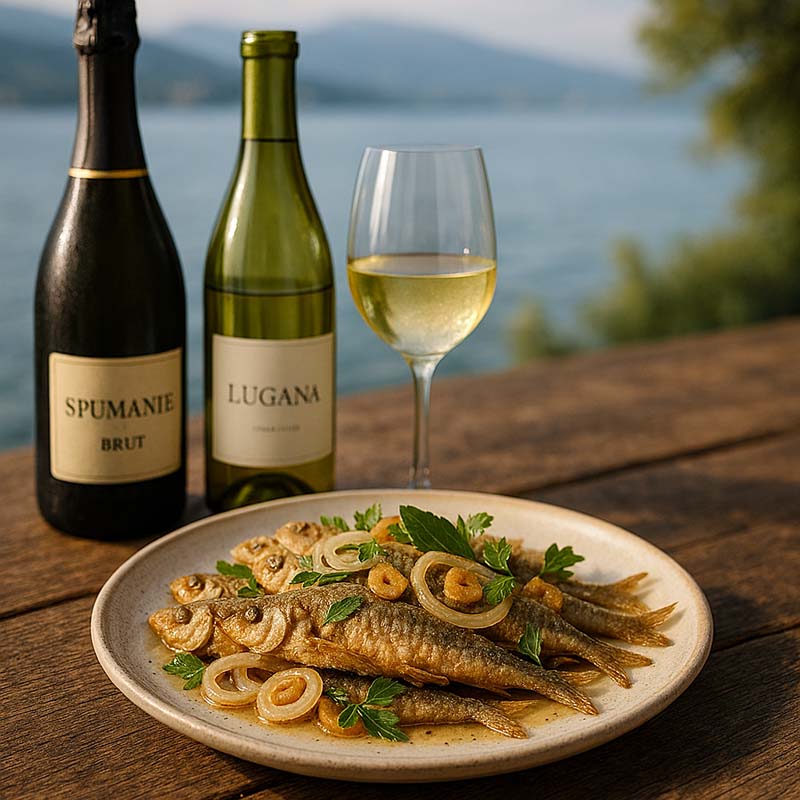
Mastering Pesciolini in Carpione: A Traditional Italian Appetizer Recipe
Italy's culinary landscape is a tapestry woven with regional specialties and age-old traditions, each dish telling a story of local ingredients and ingenious preservation methods. Among these treasures,
Pesciolini in Carpione stands out as a delightful appetizer, perfect for any season. This dish takes small, crispy fried fish – known colloquially as
Pesciolini Che Si Friggono – and bathes them in an aromatic, tangy marinade, transforming them into a sophisticated and incredibly flavorful bite. While the name
Pesciolini Che Si Friggono might first conjure images of a challenging crossword clue, its true essence lies in the delicious little fish themselves, often Latterini, that form the heart of this exquisite carpione preparation.
Understanding "Pesciolini Che Si Friggono": Delving into Latterini
The phrase "Pesciolini Che Si Friggono" literally translates to "small fish that are fried." This simple description belies a beloved culinary tradition, particularly prevalent in coastal regions of Italy and across the Mediterranean. The most common type of fish referred to by this delightful phrase, especially when encountering it in an Italian context, is the
Latterino (plural: Latterini).
The Enigmatic Crossword Clue
For those who enjoy a mental challenge, "Pesciolini Che Si Friggono" is a well-known clue in Italian crosswords and word puzzles, with the nine-letter answer almost invariably being 'Latterini'. This ubiquitous clue has been a staple in publications like *La Settimana Enigmistica* for decades, ensuring its place in the general Italian lexicon beyond just the kitchen. While a fun piece of trivia, it's the culinary application of these small fish that truly captures the imagination. For a deeper dive into this fascinating crossword connection, explore
Pesciolini Che Si Friggono: Unveiling the Cruciverba Answer.
Latterini: A Culinary Delight
Latterini are small, slender fish, typically ranging from 5 to 10 centimeters in length. They are characterized by their delicate flavor and fine texture, making them ideal for frying whole. When prepared as
Pesciolini Che Si Friggono, they are lightly floured and fried until golden and crisp, becoming a highly sought-after antipasto or snack. Their appealing golden hue and subtle taste make them a simple yet incredibly satisfying dish, often served with a squeeze of fresh lemon or a light dipping sauce. They are the perfect embodiment of casual elegance, whether as an informal aperitivo accompaniment or a light dinner starter. To learn more about these delectable fish, check out
Latterini: The Delicious Fried Fish Behind 'Pesciolini Che Si Friggono'.
The Art of Carpione: What Makes it Special?
The "carpione" technique is a classic Italian method of preserving and flavoring fried food, typically fish or vegetables. Originating from a time before refrigeration, it's a testament to Italian culinary ingenuity, turning necessity into a delicious virtue. The process involves frying the main ingredient – in this case, the crispy
Pesciolini Che Si Friggono – and then marinating it in a potent, aromatic mixture of vinegar, herbs, spices, and sautéed vegetables.
What makes carpione special is the incredible flavor transformation it imparts. The vinegar tenderizes the fish slightly while infusing it with a tangy counterpoint to its fried richness. The array of aromatics – typically onions, garlic, bay leaves, and various spices – creates a complex, savory, and slightly sweet backdrop that elevates the simple fried fish to an extraordinary level. The delicate balance of acidity, sweetness, and herbaceous notes makes
Pesciolini in Carpione a truly captivating appetizer, often enjoyed cold or at room temperature. It's a dish that rewards patience, as the flavors deepen and meld beautifully over time.
Mastering Pesciolini in Carpione: A Step-by-Step Recipe
Preparing
Pesciolini in Carpione is an investment in flavor, requiring a bit of time and attention, but the exquisite result is undoubtedly worth the effort.
Essential Ingredients
For a truly authentic experience, sourcing fresh Latterini is key. If they are unavailable, other small, fry-able fish like whitebait or very small anchovies can be suitable substitutes.
*
For the Pesciolini (Fried Fish):
- 1 kg (approx. 2.2 lbs) small fresh fish (Latterini, whitebait, or similar), whole
- 100g (approx. 1 cup) all-purpose flour
- Salt, to taste
- Oil for frying (e.g., sunflower, peanut, or vegetable oil), sufficient for deep frying
*
For the Carpione Marinade:
- 1.5 liters (approx. 6 cups) white wine vinegar (a good quality one makes a difference)
- 2 large onions, thinly sliced
- 2 cloves garlic, finely sliced or minced
- 2 bay leaves
- 2 shallots, thinly sliced
- 1 small leek, white and light green parts, thinly sliced
- 1 small bunch fresh basil, leaves separated
- 1 small bunch fresh parsley, chopped
- 1 cinnamon stick (optional, but adds a wonderful warmth)
- Fresh thyme sprigs, to taste
- Dried oregano, to taste
- Black peppercorns, a generous pinch
- Salt, to taste
- Olive oil, for sautéing (approx. 3-4 tablespoons)
Preparation: Frying the Pesciolini
This is where our
Pesciolini Che Si Friggono truly come to life.
- Clean the Fish: Rinse the small fish very well under cold running water. Do not gut them; they are fried whole. Gently pat them thoroughly dry with a clean kitchen towel or paper towels. This step is crucial for achieving crispiness.
- Flour the Fish: Place the flour in a large paper bag (or a clean plastic bag). Add the dried fish to the bag. Close the bag securely and shake vigorously until all the fish are evenly coated in flour.
- Remove Excess Flour: Tip the floured fish into a fine-mesh sieve. Gently shake the sieve to remove any excess flour. This prevents the oil from getting cloudy and ensures a crispier fry.
- Heat the Oil: In a large, deep frying pan or a Dutch oven, pour enough frying oil to submerge the fish. Heat the oil to approximately 170-180°C (340-350°F). You can test the oil by dropping a tiny pinch of flour; it should sizzle immediately.
- Fry the Fish: Fry the fish in batches to avoid overcrowding the pan, which can lower the oil temperature and make the fish soggy. Fry for 2-3 minutes per batch, or until golden brown and crispy.
- Drain: Remove the fried fish with a slotted spoon and place them on a tray lined with paper towels to drain excess oil. Season lightly with salt while they are still warm. Set aside to cool completely.
Crafting the Carpione Marinade
This aromatic marinade is the soul of the dish.
- Sauté Aromatics: In a large saucepan or pot, heat 3-4 tablespoons of olive oil over medium heat. Add the sliced onions, garlic, shallots, and leeks. Sauté gently until softened and translucent, about 8-10 minutes, being careful not to brown them too much.
- Add Spices and Herbs: Stir in the bay leaves, cinnamon stick (if using), thyme, oregano, and black peppercorns. Cook for another minute until fragrant.
- Deglaze with Vinegar: Pour in the white wine vinegar. Bring the mixture to a simmer.
- Season and Simmer: Add salt to taste. Reduce the heat to low and let the marinade gently simmer for about 10-15 minutes. This allows the flavors to meld and the raw edge of the vinegar to mellow slightly.
- Cool the Marinade: Remove the saucepan from the heat. Stir in the fresh basil and chopped parsley. Allow the marinade to cool completely to room temperature before proceeding. This is crucial; adding hot marinade to the fried fish will make them soggy.
Assembling and Marinating
The final, patient step to culinary perfection.
- Layer the Fish: In a large, non-reactive dish (glass or ceramic work well), arrange a single layer of the cooled, fried Pesciolini Che Si Friggono.
- Add Marinade: Ladle a portion of the cooled carpione marinade, including the vegetables and herbs, over the fish.
- Repeat Layers: Continue layering fish and marinade until all the fish are covered, ensuring the top layer is fully submerged in the marinade.
- Marinate: Cover the dish with plastic wrap and refrigerate for at least 12-24 hours. For the best flavor development, 48 hours is ideal.
Tips for Perfection and Serving Suggestions
*
Fish Freshness: The success of this dish heavily relies on the freshness of the fish. Purchase them from a reputable fishmonger.
*
Oil Temperature: Maintaining the correct oil temperature during frying is paramount. Too low, and the fish will absorb too much oil; too high, and they'll burn before crisping through. A kitchen thermometer is a great tool.
*
Don't Rush the Marinade: The cooling time for the marinade is not a suggestion but a requirement for perfect texture.
*
Storage: Pesciolini in Carpione can be stored in an airtight container in the refrigerator for up to 3-4 days, and often taste even better the day after preparation.
*
Serving: Serve the
Pesciolini in Carpione at room temperature or slightly chilled. They are magnificent as part of an Italian antipasto platter, alongside olives, cured meats, and cheeses. A simple slice of crusty bread is all you need to soak up the flavorful marinade. Garnish with a fresh sprig of parsley or basil.
*
Variations: Feel free to experiment with other aromatics in the marinade. A touch of red pepper flakes for a subtle kick, or different herbs like rosemary, can add new dimensions. Some regional variations might even include a splash of white wine alongside the vinegar.
Conclusion
Pesciolini in Carpione is more than just a recipe; it's a culinary journey into the heart of Italian tradition, where simple ingredients are transformed into something truly extraordinary through time-honored techniques. From the initial crisp fry of the
Pesciolini Che Si Friggono to their delicate embrace in an aromatic vinegar marinade, every step contributes to a symphony of flavors and textures. This dish offers a fascinating glimpse into the versatility of Italian cooking and is a delightful way to explore the rich heritage of Mediterranean cuisine. So, gather your ingredients, set aside some time, and embark on the rewarding experience of mastering this timeless Italian appetizer. Your taste buds will thank you!